Figma-to-frontend builds
Responsive builds from a finished design: a Figma file becomes fast semantic HTML that looks exactly as designed — on any screen, in any browser. BEM and Sass at the core, vanilla JavaScript for animation and interaction.
What's included
- Semantic HTML: headings, landmarks and alt text — markup that search engines and screen readers understand
- Faithful to the file: grids, typography and spacing as in Figma
- Responsive from 320px to large monitors
- Animation and interaction in CSS and vanilla JS — no heavy libraries
- BEM and Sass architecture: code you can keep building on after handover
- Integration into your project: static pages, a CMS or React components
Who it's a good fit for
- Teams and clients with a finished design that needs building
- Studios and designers — subcontracted builds delivered on time
- Projects with custom animation and interaction where templates fall short
When I'd recommend something else
If there is no design file yet, we start earlier — with structure and design. That is the business website service.
Work in this service
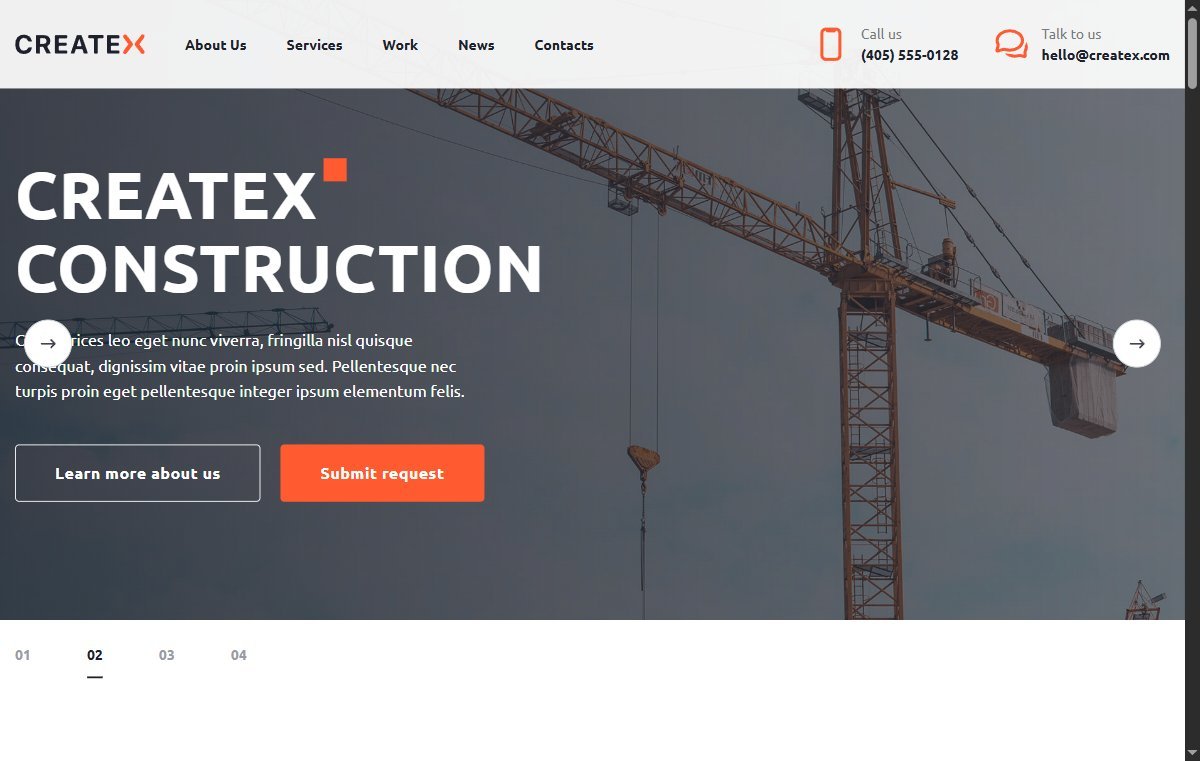
Createx Construction — Corporate Site
Corporate site for a construction company, with its services, completed projects and the numbers behind them. Prospective clients can read about the firm, browse the kinds of building it takes on and send an enquiry.
View project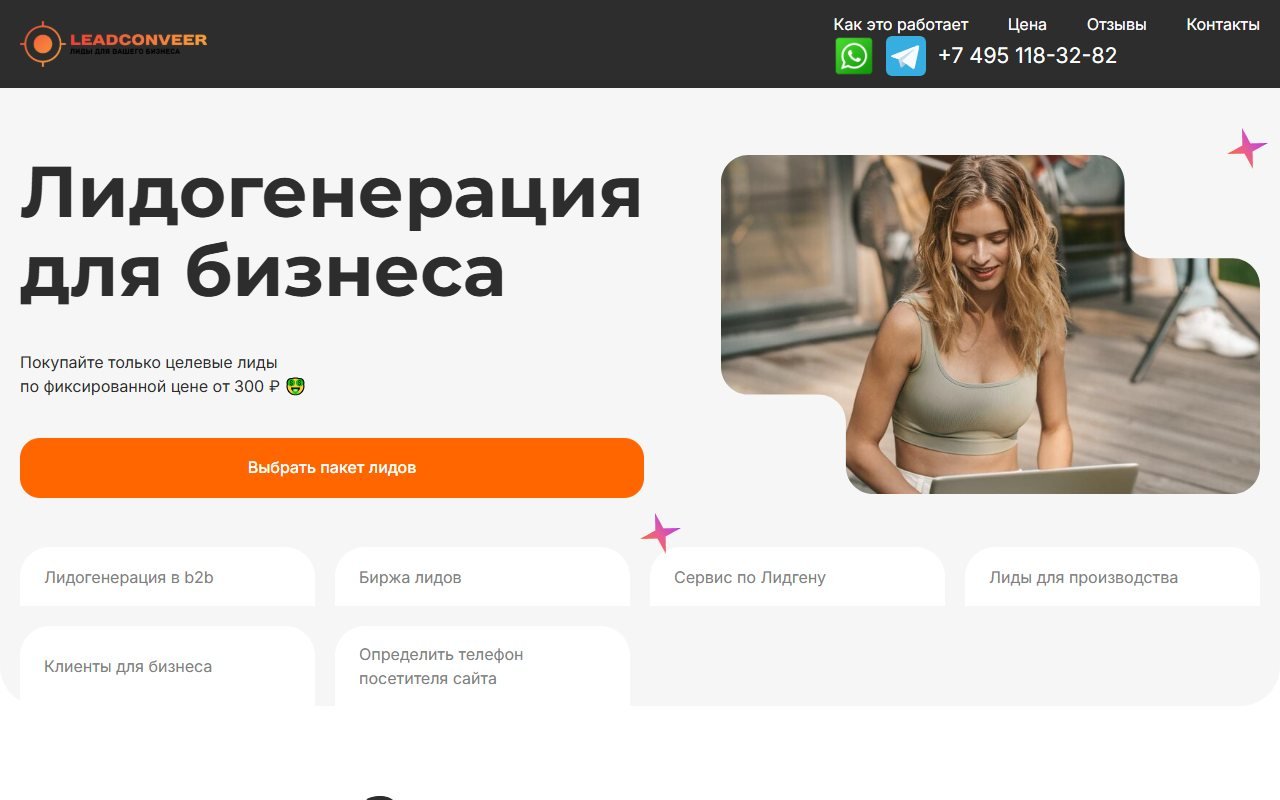
Lead Conveer — Lead-Generation Service
A lead-generation service that gives businesses the contacts of visitors who left their site without enquiring. The page prices its packages per contact, explains how to get started, carries client reviews, and signs new clients up to a dashboard.
View project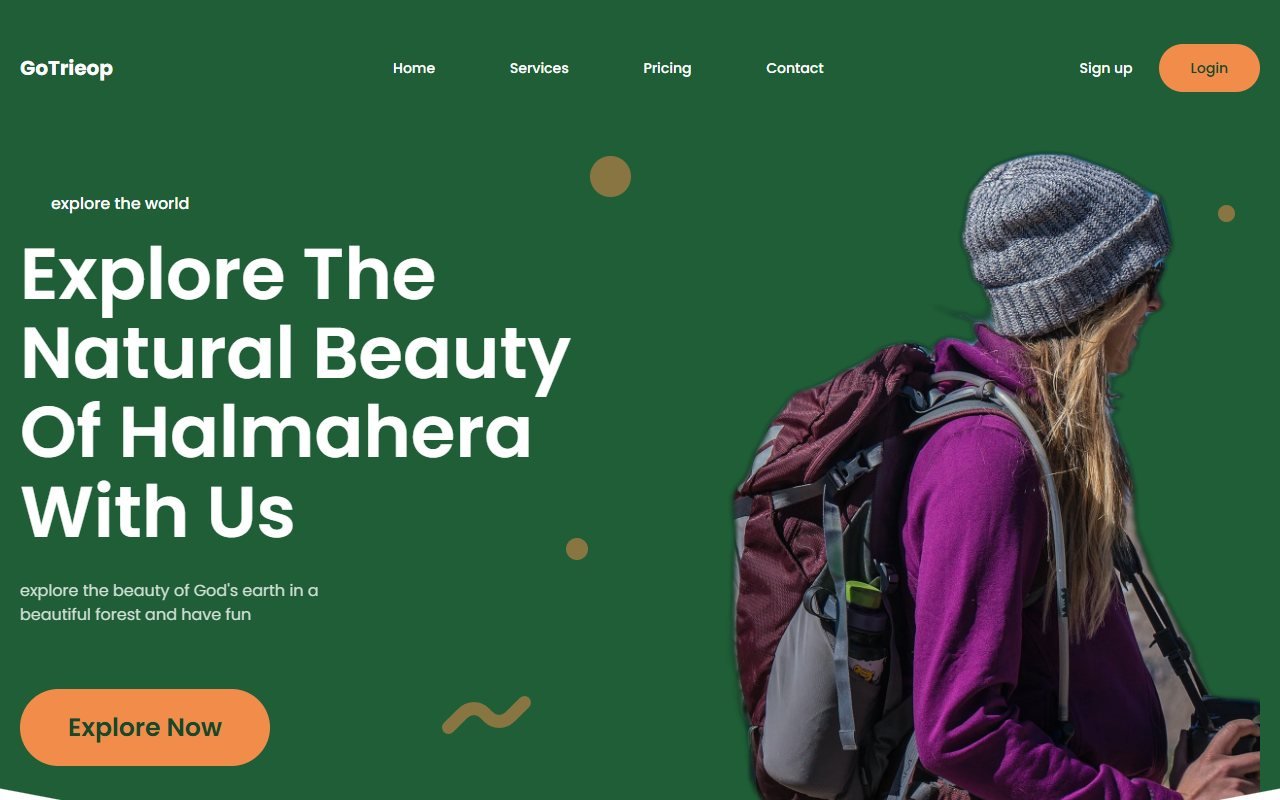
GoTrieop — travel agency landing
A travel agency running small-group trips to Halmahera and the neighbouring islands. The site shows a gallery of the destinations, reviews from past travellers, the discount running at the moment and contact details for the office in Ternate.
View project
Master Tao Cargo — cargo delivery from China
A logistics company shipping goods from China to Russia by road and air. Visitors can price a shipment by weight, volume and cargo type, compare road and air on cost and transit time, and request a quote.
View project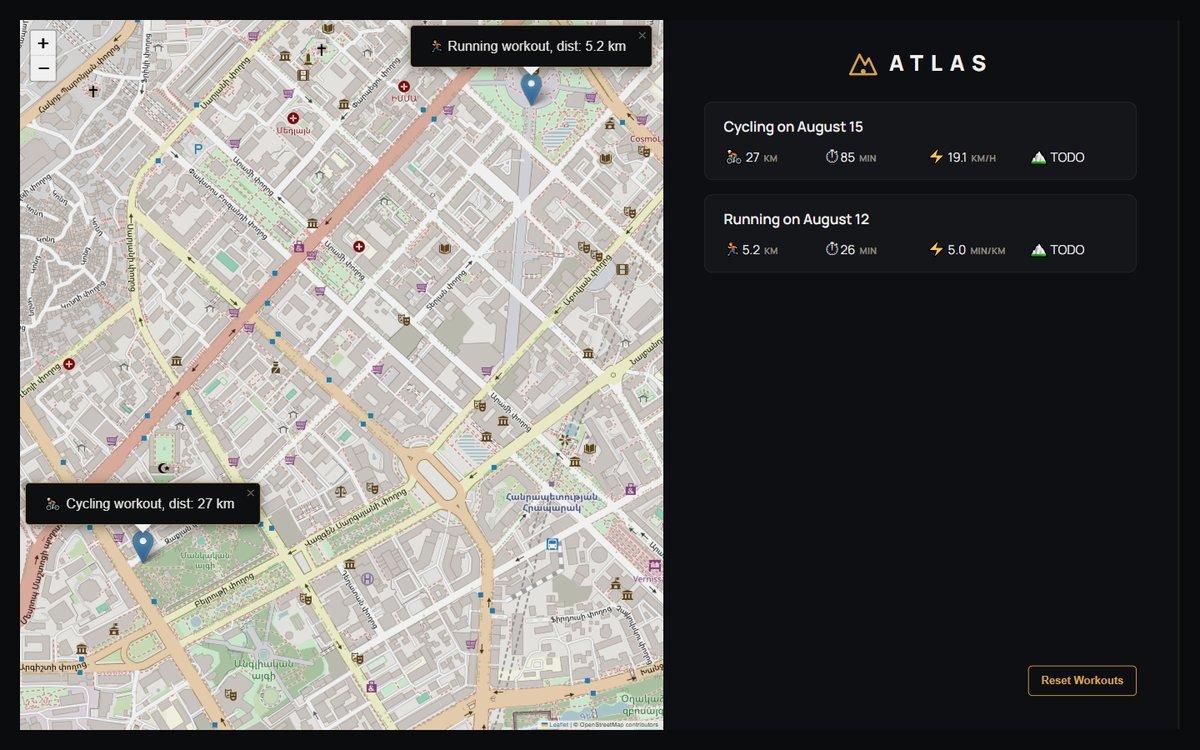
ATLAS — Map-Based Workout Diary
A web app for keeping a diary of runs and rides. Users can drop each workout onto the map, record how far and how long they went, and look back over everything they have logged.
View project
Gaming Club Landing Page
A promo site for a gaming club, showing the games it has, its current deals and photos of the space. A visitor can see at a glance what an evening there involves.
View projectFAQ
Will you build from our Figma file?
Yes, that is the main format: send the file and you get a time and cost estimate within a working day.
How much does a Figma-to-HTML build cost?
The figure depends on how many sections, breakpoints and animations the design carries. For reference: Lead Conveer, a 14-section sales site, was hand-coded from a Figma file. The exact number is fixed after a short brief and doesn't change during the work. The project starts with a 50% upfront payment.
What is semantic markup and why should I care?
Markup where headings, navigation and sections use their proper tags. Search engines understand it better, screen readers read it correctly, and the next developer can build on it.
What methodology do you use for styles?
BEM and Sass: each block has its own file and predictable class names.
Can the build be integrated into a CMS or React project?
Yes: delivered as static pages, themed onto WordPress, or shaped into components — agreed at the start.
Which browsers are supported?
All current browsers — Chrome, Safari, Firefox, Edge — degrading gracefully in older ones: the site stays readable even where an effect is not available.
Working on something similar?
Tell me about the project and I'll suggest a practical way to build it, a platform and a timeline.
Get a scope & estimate